

Arvo Part – Sound as Space of Passage – Intuitive Art
In a sound world dominated by complexity, tension and accumulation, his music radically proposes simplicity. It is not decorative minimalism, but essentialization. It is not reduction, but purification.
Arvo Pärt is an artist who creates space.
In the context of this edition, dedicated to transhumance and integration, Pärt's music becomes a language of transition — not dramatic, but vertical.
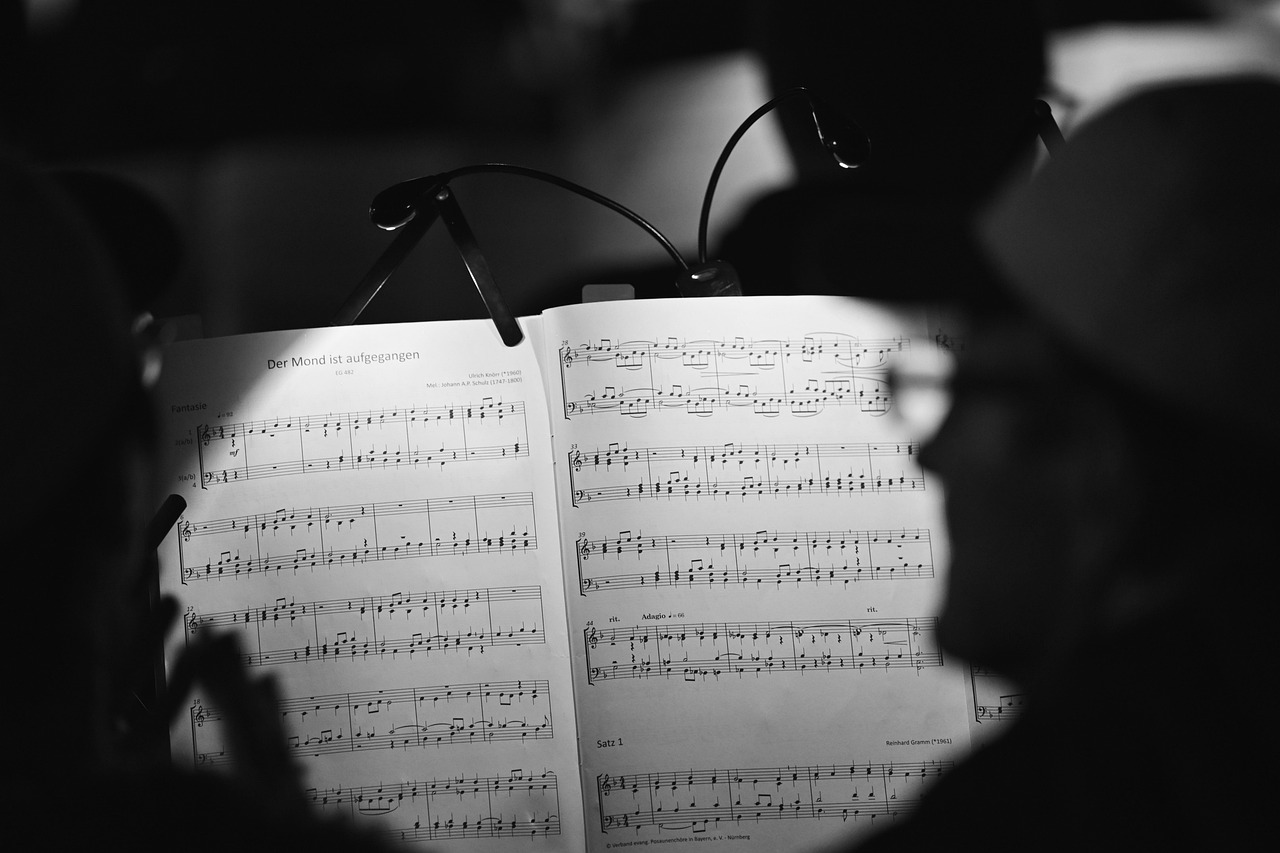
Sound as a space of passage
During his artistic career, Pärt went through a period of profound creative silence, a retreat of almost eight years during which he studied medieval music, Gregorian chant, and Renaissance polyphony. From this retreat was born his distinctive style—tintinnabuli—a technique based on the relationship between a melodic and harmonic line that moves like two planes reflecting each other.
It is a music of balance.
Sound and silence.
Tension and resolution.
Matter and transcendence.
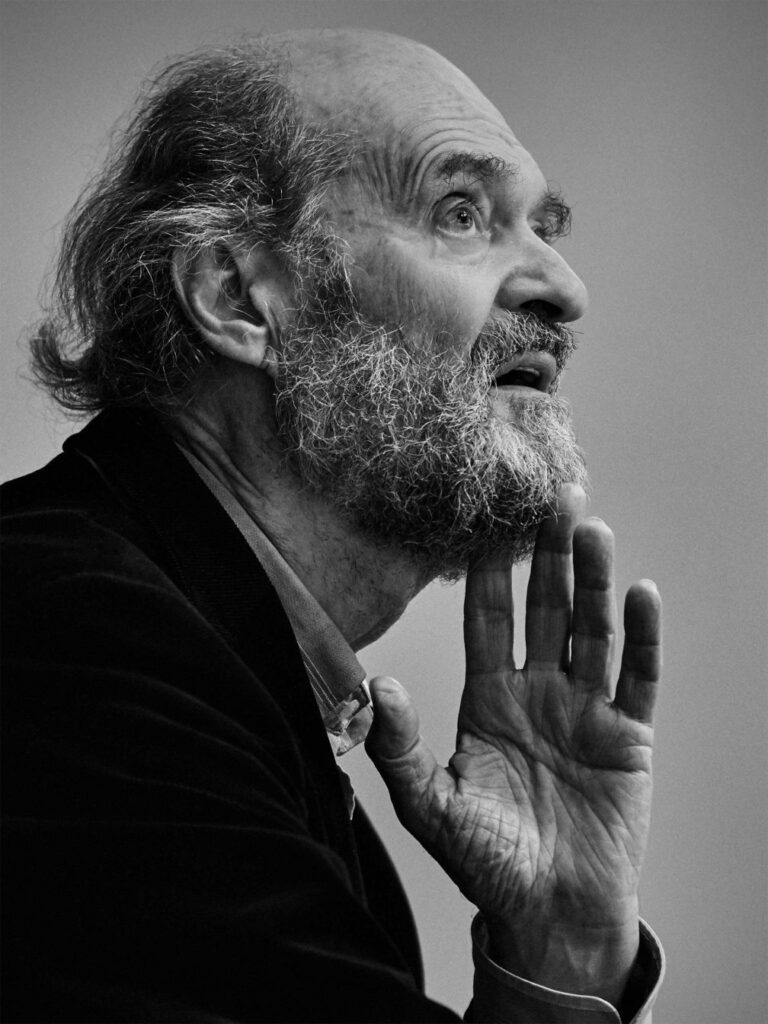
Creed (1968)
The work Credo , composed in 1968 for piano, orchestra and choir, represents a turning point in Pärt's career.
Built on a structure that starts from a fragment of Bach (Prelude in C major from The Well-Tempered Clavier), the piece introduces a dramatic tension between baroque harmony and the dissonant, almost violent interventions of the modern orchestra.
The choral text is simple: "Credo in Jesum Christum."
This statement, placed in a deeply secularized Soviet context, led to the banning of the work in Estonia.
But beyond the historical context, Credo is a work about confrontation.
Order versus chaos, tonality versus atonality, faith versus doubt, and silence versus explosion.
The structure of the piece can be read almost alchemically:
- Initial harmony (order)
- Violent disintegration (Nigredo)
- Return to structure (possibility of integration)
Credo is not a soothing piece. It is a threshold piece. In it, conflict is not avoided, but traversed. Just as in life, integration does not mean the absence of dissonance, but the ability to include it in a larger order.
Arvo Part
Arvo Pärt was born on September 11, 1935, in Paide, Estonia, a small country then in the midst of historical turmoil.
His childhood took place in the context of successive occupations – Soviet and Nazi – and his artistic training took place within the cultural system of the Soviet Union. He studied at the Tallinn Conservatory, where he was noted for his precocious talent in composition.
His early works were influenced by Western modernism and Schoenberg's serial techniques. However, this experimental period was followed by a profound crisis.
Trajectory
In the late 60s, after composing the Credo, which was banned by the Soviet authorities, Pärt entered a period of almost total withdrawal from public life. For about eight years, he composed very little.
In 1980, Pärt and his family left Estonia, settling first in Vienna and then in Berlin. Exile was a new threshold. Away from the pressure of the Soviet system, his tintinnabuli style consolidated and began to gain international recognition. Paradoxically, the radical simplicity of his music became a global phenomenon.
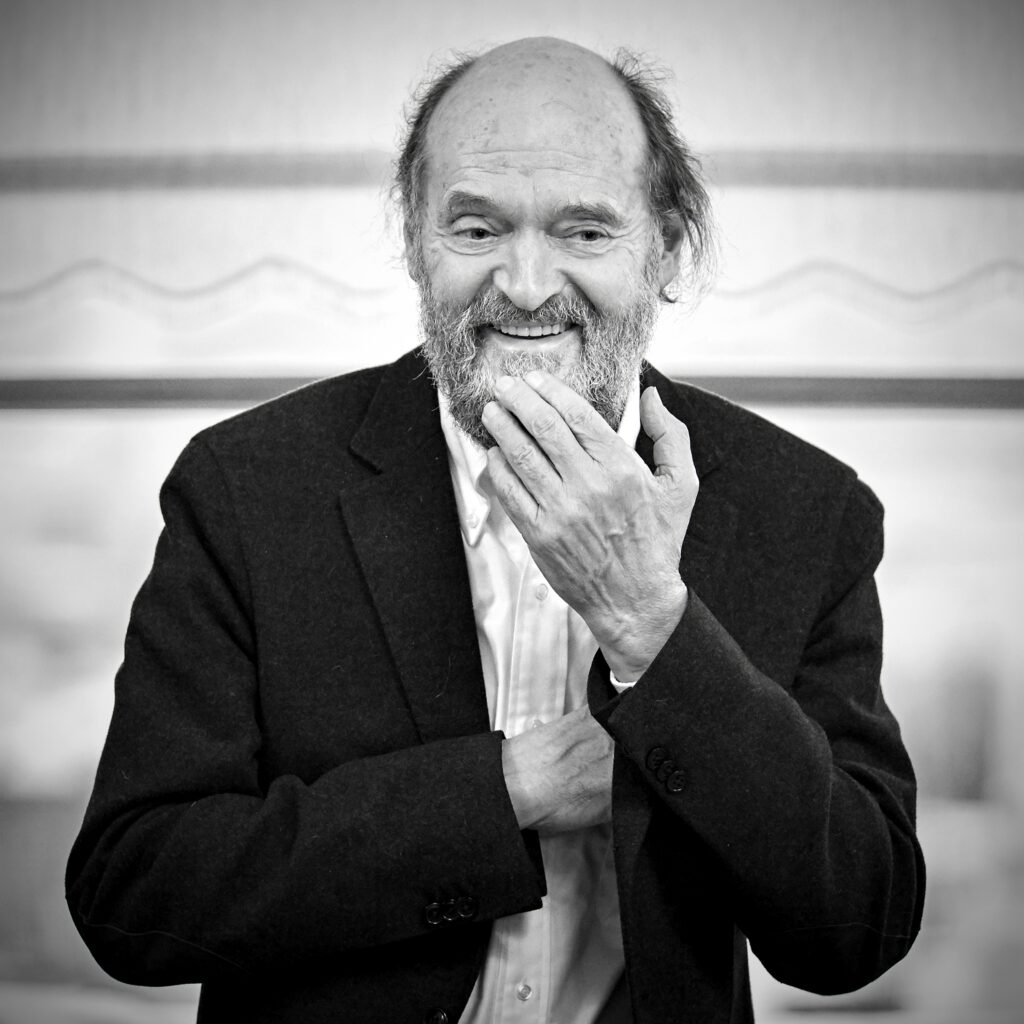
Characteristic elements
In an age of complexity, he chose essence.
Characteristic elements are:
1. The tintinnabuli technique, based on the relationship between:
– a voice that follows the diatonic movement
– a voice that gravitates around a triad
The result is music that seems simple, but is rigorously constructed mathematically.
2. The space between notes – In Pärt's music, silence is not absence. It is an active part of the composition. The space between sounds becomes a place of integration.
3. Sacred architecture
The Byzantine and medieval influences are not decorative. They build an almost liturgical space, without imposing a dogma.
Music becomes a temple of sound.
INTUITIVE ART #15
I believe in Jesus Christ.
Arvo Part
ARTICLE AUTHOR
MELL
Mell is the founder of the magazine TotUna – Essentia Momentum, an editorial space dedicated to the maturation of consciousness through direct experience and integrative reflection. Her writings do not start from theory, but from real journeys – from the encounter with life in its most fragile and revealing forms.
His interest in traditions such as Advaita Vedanta, anthroposophy, Kabbalah or Christian spirituality is not a comparative one, but an attempt to recognize the same thread of continuity that runs through different languages. For Mell, death, suffering and transformation are not abstract themes, but living processes of integration of consciousness into its own vastness.
Through the magazine TotUna and the spaces created around The Meditation Academy, she supports a lucid spirituality, devoid of drama and escapism, anchored in concrete life and open to its subtle dimension. Her approach does not seek followers, but inner maturity; it does not propose doctrines, but invites experience and assumption.
CO-FOUNDER OF THEMEDITATION.ACADEMY


TotUna is not just a magazine. It is a co-creation space.
Submit your article!
If you feel the call to write, share, or contribute your voice, we are here.




