

Self-Sufficiency vs. Isolation – Voice of the Self
There are moments in life when it is no longer about understanding, but about being held.
After exploring rebirth through inner balance and looking at grief as a process of reconfiguration, this section brings to the forefront another form of maturation: the courage to no longer carry everything alone.
Alexandra Șchianu delicately explores this deeply human need to be seen and co-regulated, offering a psychological and relational perspective on the fatigue of being the sole witness of one's own life.

The voice of the self
The balance between light and shadow is not built only in solitude. It is also sustained through relationship — through the presence of that witness who does not correct, does not rush, does not save, but remains.
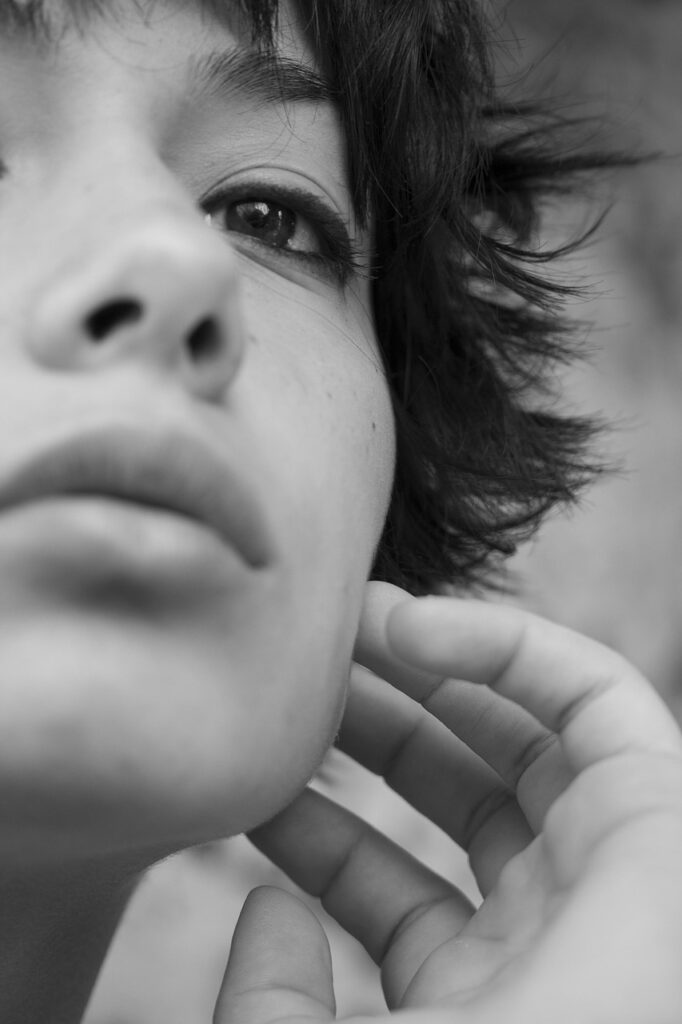
When we no longer want to carry everything alone
About the courage to no longer be the only witness to your own life
There is a fatigue that comes not from what we do, from the number of tasks checked off our list, or from the hours we work, but from the way we keep it all in. It is that silent exhaustion that accumulates from the emotions we regulate ourselves, from the questions we silently ask ourselves at late hours, and from the conclusions we formulate without ever putting them into spoken words.
We have become accustomed to understanding, analyzing, rationally explaining our reactions, and constantly working on ourselves, turning our own mind into a laboratory of perpetual self-correction.
sufficiency
has become, over time, a sign of maturity in our society. Not bothering anyone with your feelings, displaying an impeccable image and processing everything "in private" seems to be the ultimate proof of balance. And yet, there is a fine but painful difference between the solitude that nourishes the spirit and the isolation that weighs on the chest. When the border between them is erased, independence is no longer a choice, but becomes an invisible prison.
The need to be seen: A biological necessity, not a fad
Psychologically and neurobiologically, we do not truly develop or heal in the absence of relationship. Our brain is a social organ. Our nervous system instinctively seeks co-regulation; it needs the stable, warm, non-judgmental presence of another human being to calm itself and recalibrate its internal rhythm. When we are alone with great pain, the brain perceives it as a continuous threat. But the moment that pain is shared and received with empathy, the alarm signal subsides.
We think more clearly when we are listened to without rushing, and emotions settle differently when they are simply received, not immediately corrected or “fixed.” This is not about dependency, that fear that makes many people run away from intimacy, but about a deeply human need to be seen in our experience. We need someone to mirror our reality without trying to modify it to make it more comfortable.
The "I can handle it" trap
Many of us learned early on to fend for ourselves. Perhaps because, as children, vulnerability was not greeted with gentleness but with impatience. Perhaps because our emotions were minimized (“it’s no big deal”), rushed (“come on, it’ll pass!”), or, worse, punished. In such contexts, relying solely on yourself has become a vital safety strategy. If you don’t ask for anything, you can’t be refused. If you don’t show that you’re hurting, you can’t be hit where you’re vulnerable.
Over time, this survival strategy has transformed into Identity. We proudly call ourselves: "I am a strong person", "I can handle everything", "I don't need help". But beneath this shiny armor, there often hides a scared child who is tired of carrying everything on his back. Emotional maturity does not mean, in fact, the absence of the need for support, but the discernment to know when solitude burdens you and when it begins, subtly, to dry you up inside.
Beyond Analysis: The Need for a Witness
In my practice, I increasingly encounter exceptional people: very lucid, very aware, who have read entire shelves of psychology and who know how to name their patterns with surgical precision. And yet, beyond this intellectual clarity, there sometimes remains a heavy silence. It is the silence of someone who goes through seismic life events without letting anyone stand next to them in the rubble.
I have learned, in my years of holding therapeutic space for others, that the hardest step is not understanding why you are suffering. The hardest is letting something of yourself be seen in its raw state. Allowing someone to witness your fragility, without feeling the need to package it up or explain it logically. Healing does not come from analyzing the pain, but from having your pain met by another human presence who was not afraid of it.
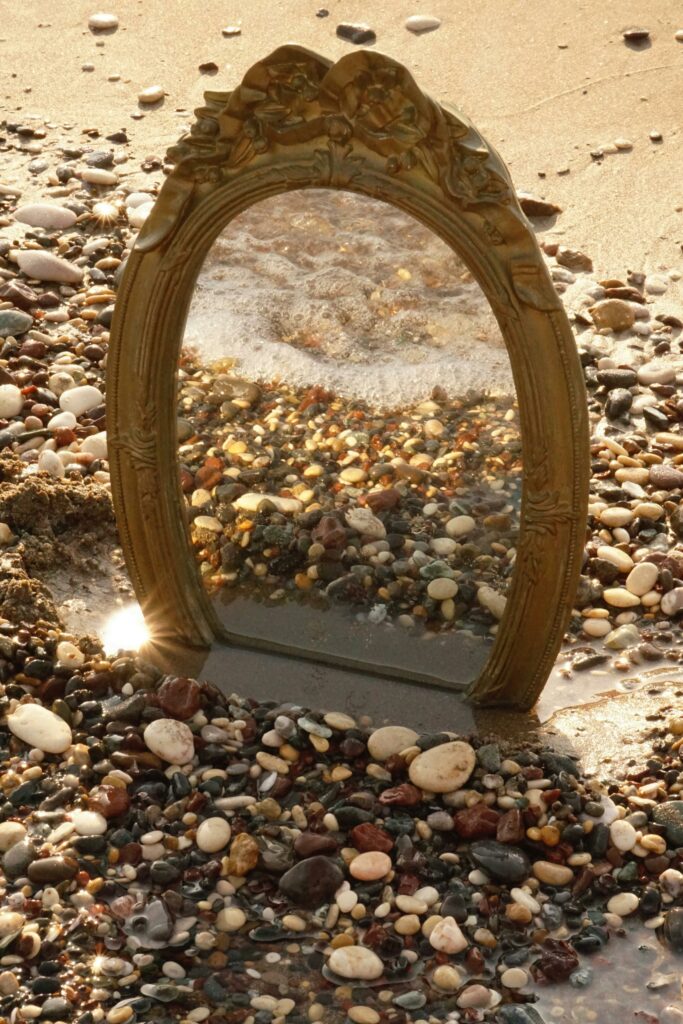
Signs of Chronic Self-Fatigue
Sometimes we're so used to carrying the burden that we don't even notice the burden. Here are some subtle signs that we've taken on too much of the "sole witness" role :
- The body as a shield: We say "I'm fine, I'm doing well", but the shoulders are at ear level, the jaw is clenched, and the breathing is shallow.
- Intellectualization of emotion: We rush to logically explain what we are feeling, using clinical terms or theories, precisely to avoid actually feeling the flow of that emotion in the presence of someone else.
- Shame about asking: The simple idea of saying "I need you" or "I'm having a hard time right now" activates a wave of shame, as if having needs is a character flaw.
- Performing Balance: We believe we must be “cured” or “whole” before presenting ourselves to others, denying ourselves the right to be in the process.
The power to no longer be alone
Deep transformation doesn't always come from spectacular revelations or solitary "Aha!" moments. It comes, most often, from repeated experiences of relational safety. It comes from the moment when you can say something considered "unacceptable" about yourself and see that the other person doesn't walk away, doesn't judge you, doesn't look at you with pity, but stays there, anchored.
In this place, you no longer have to perform the balance. You can be authentic even when your voice shakes or when you have no intelligent conclusion to offer.
This is true power:
not that of enduring endlessly, but that of letting your mask fall and discovering that you are loved and accepted even outside of your usefulness or strength.
Maybe this period doesn't ask us to do more, to be more efficient, or to "work" on ourselves more. Maybe it just invites us to look more honestly at how we handle what is weighing us down.
Let's ask ourselves, hand on heart: "Are there places in my life where what I experience could be held with more gentleness than I manage to give myself?"
Not everything that is profound must be endured in silence. Maturity consists in recognizing that some wounds only heal in the light, under the gentle gaze of a witness.
The power lies not in carrying everything alone to the point of exhaustion, but in finally allowing ourselves to no longer be the sole guardians of our own transformation. Sometimes the bravest thing you can do is let someone help you carry the net, even when you think you can still take one step alone.
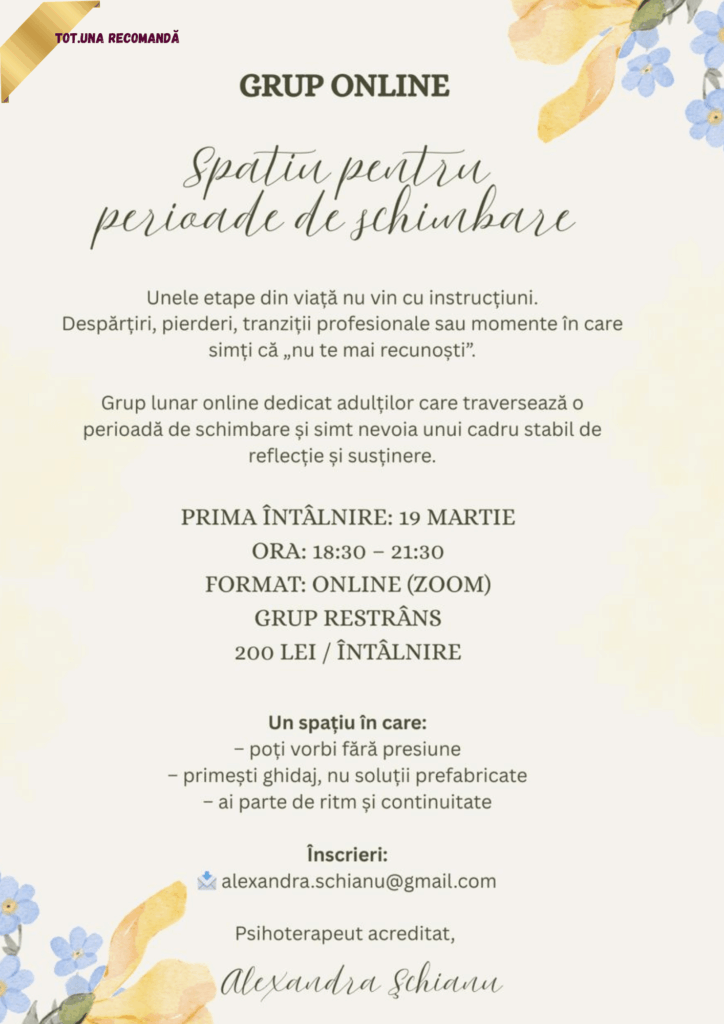
Space for periods of change
Monthly online group dedicated to adults who are going through a period of change and feel the need for a stable framework for reflection and support.
voice of self #15
Some stages in life don't come with instructions.
alexandra schianu
ARTICLE AUTHOR
ALEXANDRA SCHIANU
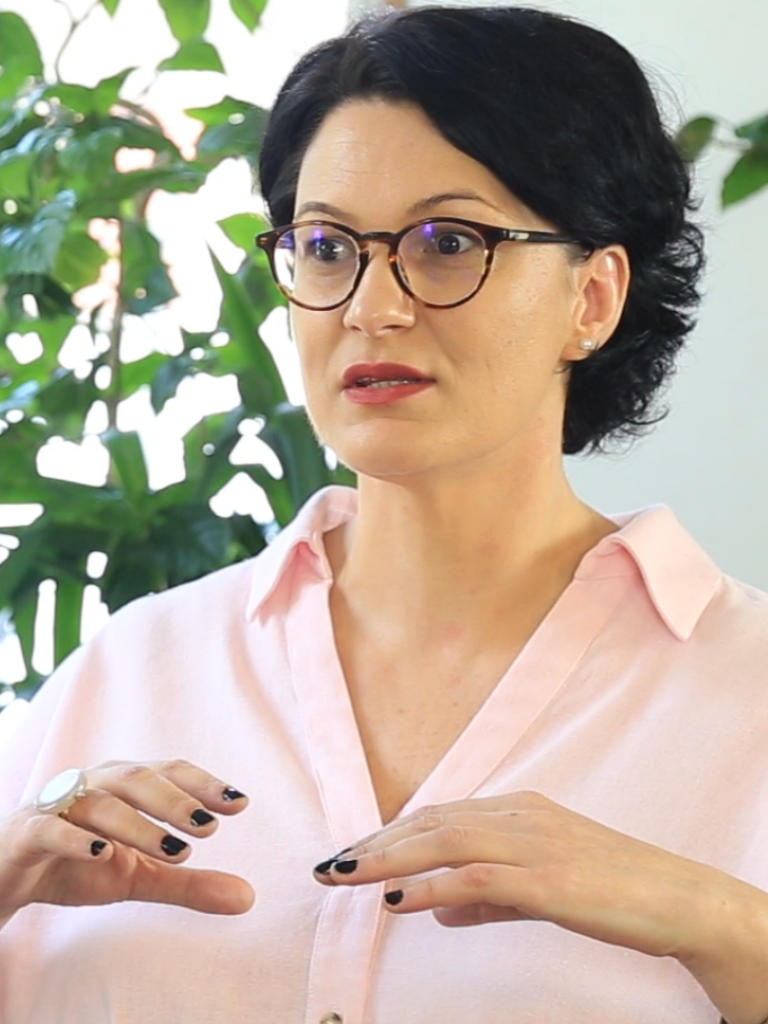
Alexandra Schianu is a psychologist and facilitator of therapeutic processes, dedicated to exploring the relationship between vulnerability, safety and emotional maturation. In her practice, she creates spaces of co-regulation and authentic presence, where people can be seen beyond performance or self-sufficiency.
His professional interest focuses on relational dynamics, attachment, and the integration of emotional experiences in ways that support inner stability and the development of a coherent identity. His writings combine psychological rigor with a deeply human sensitivity, inviting a form of power that is not based on isolation, but on the courage to be seen.
psychotherapist

TotUna is not just a magazine. It is a co-creation space.
Submit your article!
If you feel the call to write, share, or contribute your voice, we are here.




