

The Diseases of Our Soul – Psychosomatic – Living Life
The Psychosomatic section of Living Life is a space of remembrance: that the body is a language, that emotions are living energies, and that suffering is not an enemy to be defeated, but a message to be deciphered. Here, illness is not seen as punishment or failure, but as an invitation to obedience, responsibility, and reconnecting with the soul.
The body begins to speak before the mind is ready to listen. Pain, discomfort, illness or imbalance do not occur by chance and are not simple errors of the biological mechanism, but expressions of a deeper tension between what we experience, what we feel and what we refuse to acknowledge.
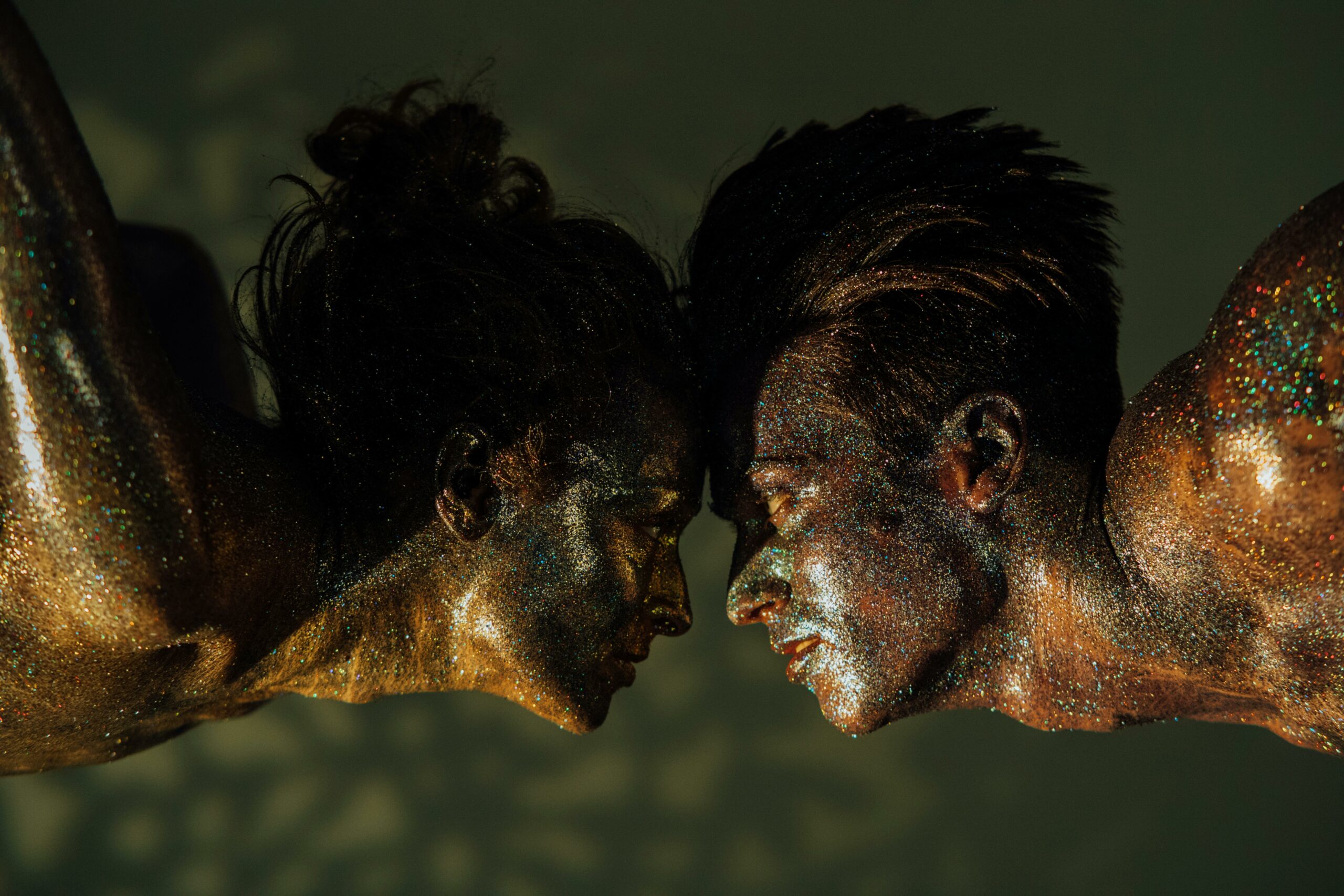
the diseases of our soul
In today's century, most ailments can be called diseases of the soul. They are because we oppose ourselves, they are because we do not do the will of the Divine Father and Mother, they are because we are proud, because we do not listen to our own body, because we are angry with God, because we have problems in the family, perhaps unspoken things, because we do not want to listen to the whispers of God in our ear, because we need to experience, even something painful, in order to evolve.
We are in suffering, either physically or psycho-emotionally, and we spend much of our lives unconscious, asleep. This sleep only "angers" the soul because it wants to wake up.
What are the causes of psychosomatic illnesses?
Psychosomatics calls the hips "the deep archive of the body." Feminine energy calls them "the cup of life." Mythologies see them as "the gateway between matter and spirit." And the silence of the loaThe first signs are subtle. A little discomfort in the body or thoughts like: What did I do wrong? Why me? Why like this? What should I do? How can I change something about myself so that I don't attract the same situation again?
At that moment, the disease has not yet reached the body. It is in our field. It does not manifest physically.
If you are here, if you have questions, if you feel pain, you are exactly where you need to be. It says what words did not have the courage to express.
Don't get angry, don't get upset, don't criticize yourself!
Learn to love yourself, trust yourself, learn from your mistakes and move on. Life will bring other challenges as your soul experiences life on this earth, with good and bad. This is how your soul rises.
Don't fool yourself.
Don't cry for pity.
Don't be jealous.
Karmic diseases or psychosomatic diseases?
Diseases, ailments, sufferings are formed, on the one hand, from payments that we have to make from the past, also called Karma. They are also formed from " bad things" that we have done even unconsciously, so we did not even realize it. On the other hand, from not listening carefully to the whispers of our soul from the present moment. So, they can be karmic or they can be from the present, from here and now, they can be somatic.
Let me give you some examples so you understand what I mean.
- Kidney
- Liver
- heart
- stomach
Africa
If you suffer from a kidney condition, fear is most likely present in your life. And then you need to ask yourself: Why am I afraid to do what I want? To say what I want? To be myself?
anger
If you suffer from a condition or pain in the liver, then we are talking about anger. Who am I angry at? Where did the anger come from? What can I do to get rid of it?
love
If you suffer from a heart condition, then we are talking about love. Self-love, love in a couple, love for Mother Earth, for Gaia. Am I afraid to love anymore? Why? What made me close myself off?
second brain
If you suffer from a stomach condition, even gastrointestinal diseases, then we can talk about the second brain responsible for emotions. For managing and digesting them. What kind of emotions do I feed myself with? How much do other people influence me emotionally? How do I manage my own emotions?
Be honest with yourself.
Read these lines and answer yourself. It is an exhortation. Reading without conscious presence, in the 21st century, is worth nothing.
It's like it goes in one ear and out the other.
Read with your heart. With your soul. Not with your mind.
Make this effort—it will be rewarded.
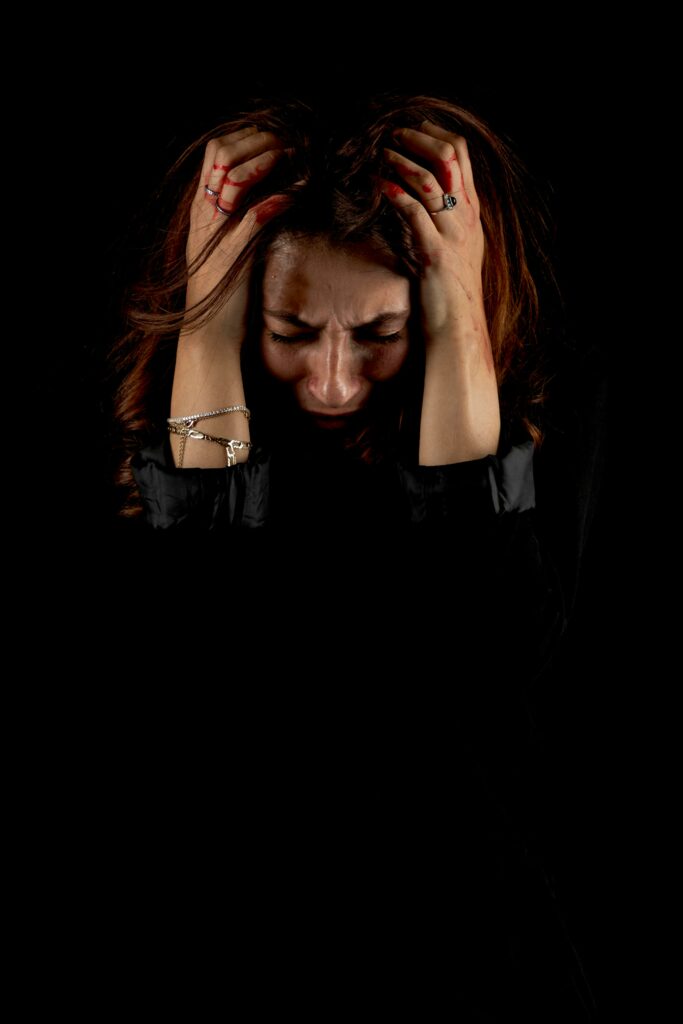
What are mental illnesses?
Mental illness is an imbalance of chemicals in the brain and body. It's a low, negative energy that makes you feel like you can't get out.
It induces thoughts that are not true, emotions that scare you, and repeated crises. It is the result of an imbalance in the physical body and energies that come to dominate you and take control.
The psoas muscle – the muscle of the soul
We're talking about the psoas because it's also called the "soul muscle."
It is a deep muscle that connects the lumbar spine to the legs and plays an essential role in posture, gait, and pelvic stability.
It is the only muscle that directly connects the spine to the lower limbs.
Beyond its physical role, the psoas is closely linked to the nervous system and the stress response ("fight or flight"), immediately reacting to fear, tension, and deep emotions.
A tight psoas can cause lower back pain, stiffness in the hips, and a general state of restlessness.
How can the psoas be relaxed?
- slow movement: yoga, tai chi, Qigong
- conscious, abdominal breathing,
- nature walks,
- manual therapies: craniosacral, visceral manipulation, acupuncture, osteopathy,
- relaxation positions (on your back with bent knees, child's pose from yoga),
- emotional release: psychotherapy, psychosomatic therapy,
Crying as a release
Crying is a natural mechanism through which the body and nervous system discharge themselves, bringing a feeling of release.
The recommendation is not to let yourself be overwhelmed by negative emotions to the point of exhaustion — prolonged crying can lead to energetic and emotional weakness.
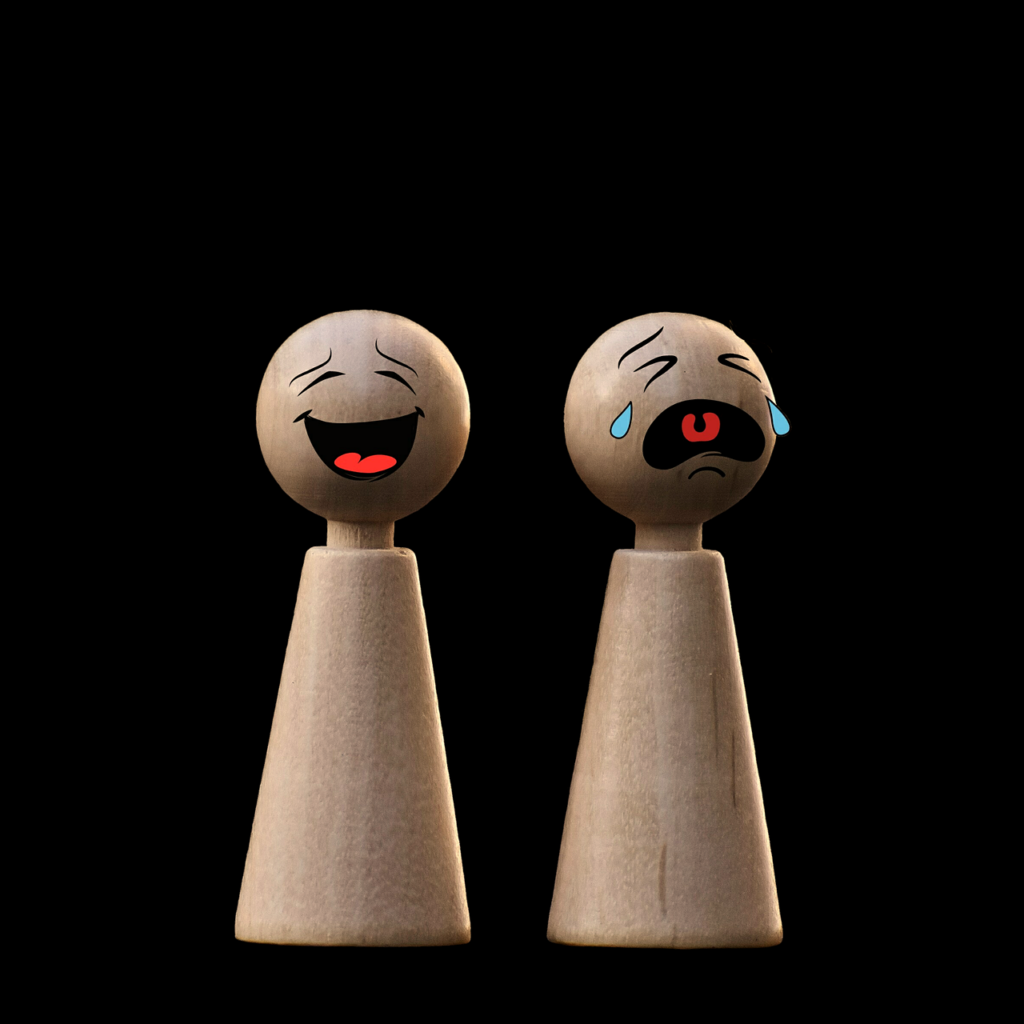
Laughter as a defense mechanism
In therapy sessions, sometimes the patient starts laughing when asked about emotions.
It's not genuine laughter, but hysterical laughter—an avoidance mechanism.
It is laughter that does not want to open "Pandora's box," that does not want to look at the emotion and experience in the body. Laughter can distract from what needs to be seen.
How do we work with our soul to be healthier?
So, you see, dear reader, that we are actually talking about healing the soul when we suffer.
Currently, there are many specialized books from which you can get your information, the internet is full of information, but practice is what we lack.
Don't be scared! Because discipline is learned over time.
Now you can't apply many of the good things you know because you're in entropy. What does that mean? There is an energy, and implicitly emotions, and limiting beliefs that block you from getting out of that situation. Again, your soul has chosen to experience things this way. It remains for you to decide how long you stay there.
You see, a person with emotional intelligence is one who shortens the time of suffering, who makes decisions faster. The difference between us humans is that some choose to suffer less, others more. This is where free will comes in.
We can nourish our soul with meditation, art and culture, ambient music, classical music, activities in nature, prayer, helping someone. These are our resources with which we can evolve, maintain balance among others, and enjoy the present.
I hug you, dear reader,
Ana Maria Mavru
Psychosomatic – Living Life #14
A person with emotional intelligence is one who shortens the time of suffering.
Ana Maria Mavru
ARTICLE AUTHOR
Ana Maria Mavru
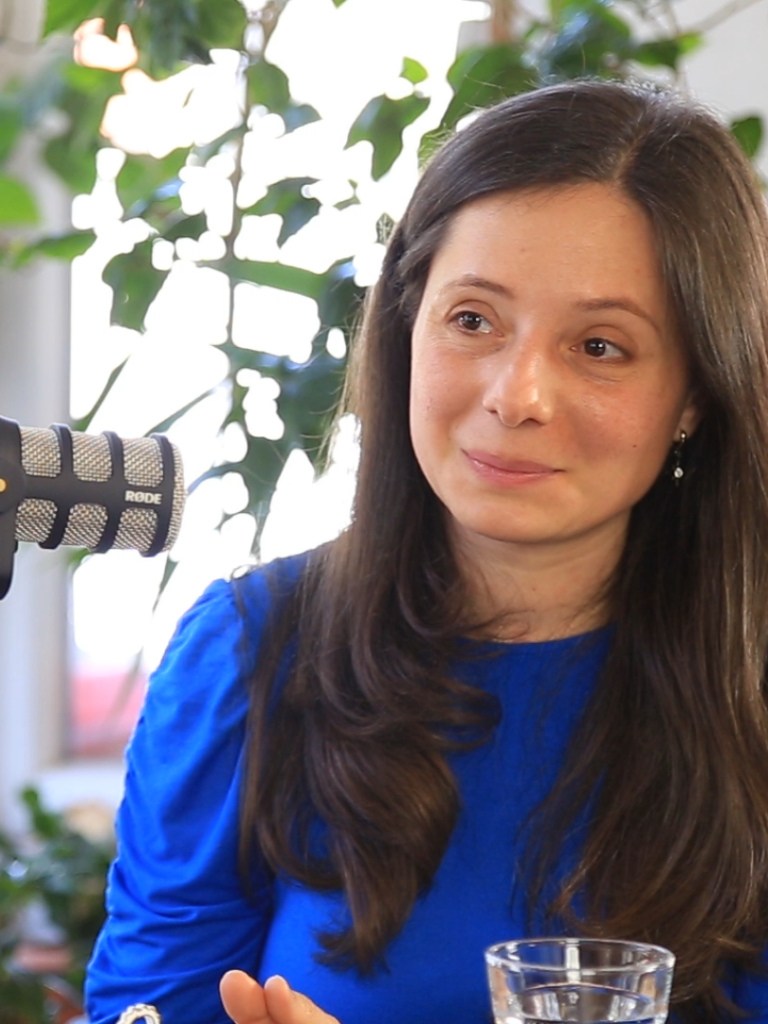
Ana Maria Mavru is a therapist specializing in the psychosomatic approach to suffering, working at the intersection of body, emotion and soul. Her professional and personal journey is guided by the belief that true healing begins from within, by carefully listening to the body's messages and by assuming emotional responsibility. In her practice, Ana Maria accompanies people in processes of deep awareness, helping them understand the connection between their inner experiences and the physical or mental manifestations of imbalance. Her approach is direct, empathetic and anchored in the reality of life, emphasizing presence, emotional intelligence and shortening the time of suffering through conscious decisions.
Starting with this edition, Ana Maria Mavru will coordinate the Psychosomatics section of TotUna magazine , bringing a clear, human and integrative perspective on the healing of the soul and its relationship with the body. Her voice supports the idea that health is not the absence of pain, but the ability to honestly dialogue with one's own being.
psychotherapist

TotUna is not just a magazine. It is a co-creation space.
Submit your article!
If you feel the call to write, share, or contribute your voice, we are here.




