
Issa — Haiku | Intuitive Art TotUna 18
In each edition, the Intuitive Art section brings an artist or art form that resonates directly with the theme. Not for illustration. For resonance — because true art is, after all, another language in which one says what cannot be said otherwise.
For this edition, after traveling through Japan with sakura and the gaze that this culture has made a spiritual act, we meet a man. A poet who, more than any other in Japanese history, preserved, until his death, the eye with which he came into the world.
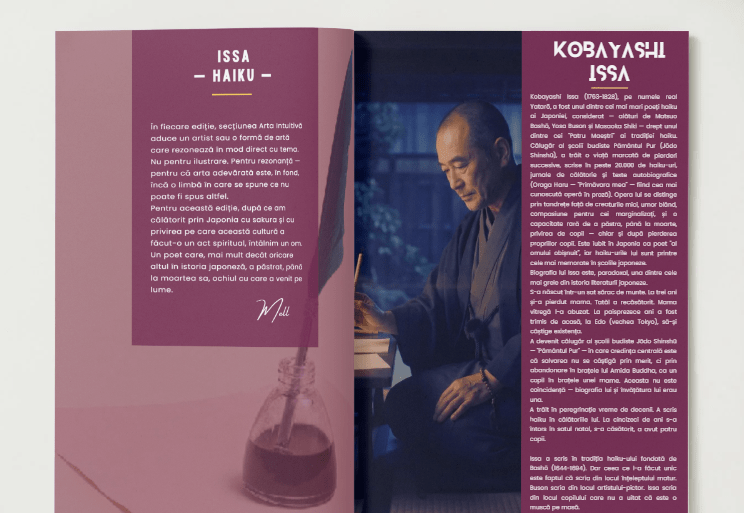
Issa
Kobayashi Issa (1763-1828), real name Yatarō, was one of Japan's greatest haiku poets, considered — along with Matsuo Bashō, Yosa Buson and Masaoka Shiki — as one of the "Four Masters" of the haiku tradition. A monk of the Pure Land Buddhist school (Jōdo Shinshū), he lived a life marked by successive losses, written in over 20.000 haiku, travel diaries and autobiographical texts (Oraga Haru — "My Spring" — being his best-known prose work). His work is distinguished by tenderness towards small creatures, gentle humor, compassion for the marginalized, and a rare ability to retain, until death, a childlike gaze — even after the loss of his own children. He is beloved in Japan as a poet of the "common man", and his haiku are among the most memorized in Japanese schools.
Bibliography of a haiku poet
Issa's biography is, paradoxically, one of the most difficult in the history of Japanese literature.
He was born in a poor mountain village. At the age of three he lost his mother. His father remarried. His stepmother abused him. At fourteen he was sent away from home to Edo (old Tokyo) to earn a living.
He became a monk of the Jōdo Shinshū—“Pure Land”—school of Buddhism, in which the central belief is that salvation is not earned through merit, but through abandonment into the arms of Amida Buddha, like a child in the arms of a mother. This is no coincidence—his biography and his teaching were one.
He lived in pilgrimage for decades. He wrote haiku on his travels. At fifty he returned to his native village, got married, had four children.
Issa wrote in the haiku tradition founded by Bashō (1644-1694). But what made him unique was that he wrote from the place of the mature sage. Buson wrote from the place of the artist-painter. Issa wrote from the place of the child who has not forgotten that he is a fly on the table.
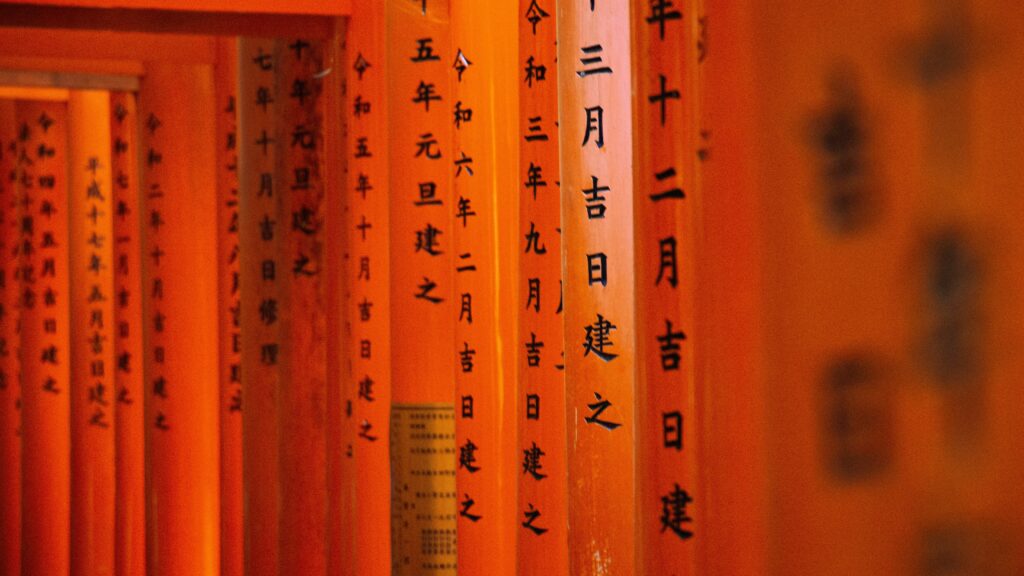
Tsuyu no yo — and yet
Issa's best-known work, and the most relevant to this edition, is a haiku written after the death of Sato's daughter. She was two years old. She had died of smallpox. Issa, in the height of his grief, wrote:
Tsuyu no yo waTsuyu no yo nagaraSarinagara.
The world is dew, The world is only dew —And yet, and yet…
These seventeen syllables are, I believe, one of the greatest achievements of universal literature.
Issa knew the Buddhist teaching. He knew that everything is impermanent—mono no aware. He knew that the world is “dew”—that is, ephemeral, passing, without substance. He could, like a monk, accept. Philosophically, the understanding was there.
And yet.
"And yet, and yet..." — sarinagara, sarinagara — is the child who lost a little girl. The heart that knows no philosophy. The father who cries.
In these three lines, Issa does something extraordinary: he doesn’t let spiritual maturity cover up childhood pain. He doesn’t say, “It’s okay, everything is fine, my daughter is at peace now.” No. He says, yes, everything is fine, the teaching is correct—and yet, it hurts. And yet, I love her.
And yet…
This is, in depth, the true maturity of the sovereign child. Not the refusal of philosophy. Nor the covering of the heart with philosophy. But the preservation of the two, side by side, in the same being. The mature sage AND the child who has not forgotten to love.
If this article wants to leave the reader with anything, it is this recognition: true sovereign childhood is not one that denies pain. It is one that never allows philosophy to cover up love.
INTUITIVE ART #18
The world is dew, The world is only dew —And yet, and yet…
Kobayashi issa
ARTICLE AUTHOR
MELL
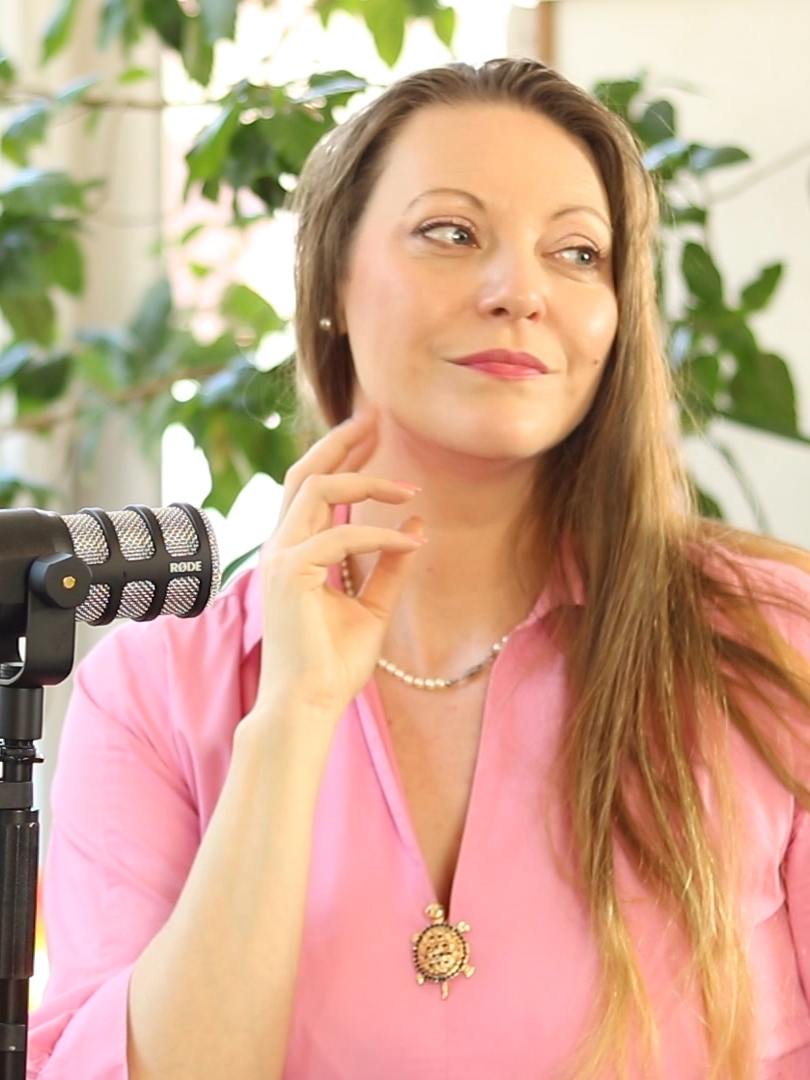
Mell is the founder of the magazine TotUna – Essentia Momentum, an editorial space dedicated to the maturation of consciousness through direct experience and integrative reflection. Her writings do not start from theory, but from real journeys — from encountering life in its most fragile and revealing forms.
His interest in traditions such as Advaita Vedanta, Gnosticism, Kabbalah, and anthroposophy is not a comparative one, but an attempt to recognize the same divine thread that runs through different languages. For Mell, creative consciousness is not a concept—it is a living reality, present in all forms of existence, which he explores, writes about, and experiences. He does not direct; he recognizes. And by recognizing, he holds open the door that each reader must pass through for themselves.
CO-FOUNDER OF THEMEDITATION.ACADEMY

TotUna is not just a magazine. It is a co-creation space.
Submit your article!
If you feel the call to write, share, or contribute your voice, we are here.