

Conscious Presence — The Present State | Psychosomatic TotUna 16
Psychosomatics is not a theory about the body — it is a reality that we experience every moment, with or without recognizing it. Every unintegrated tension, every unspoken emotion, every repeated thought leaves a mark on our physiology. And vice versa — every moment of authentic presence, every conscious breath, every moment in which we no longer run away from what we feel, reconfigures the nervous system and reopens access to ourselves.
In this edition's theme, the Conscious Architect does not build only with ideas and intentions — he builds through the body, through presence, through the quality of attention with which he inhabits each moment. Ana Maria Mavru brings us precisely here: into the living, concrete, sensory moment, in which conscious presence is no longer a concept to aspire to, but a state that is born from the silence gained step by step, from assumption and from the repeated turning inward.
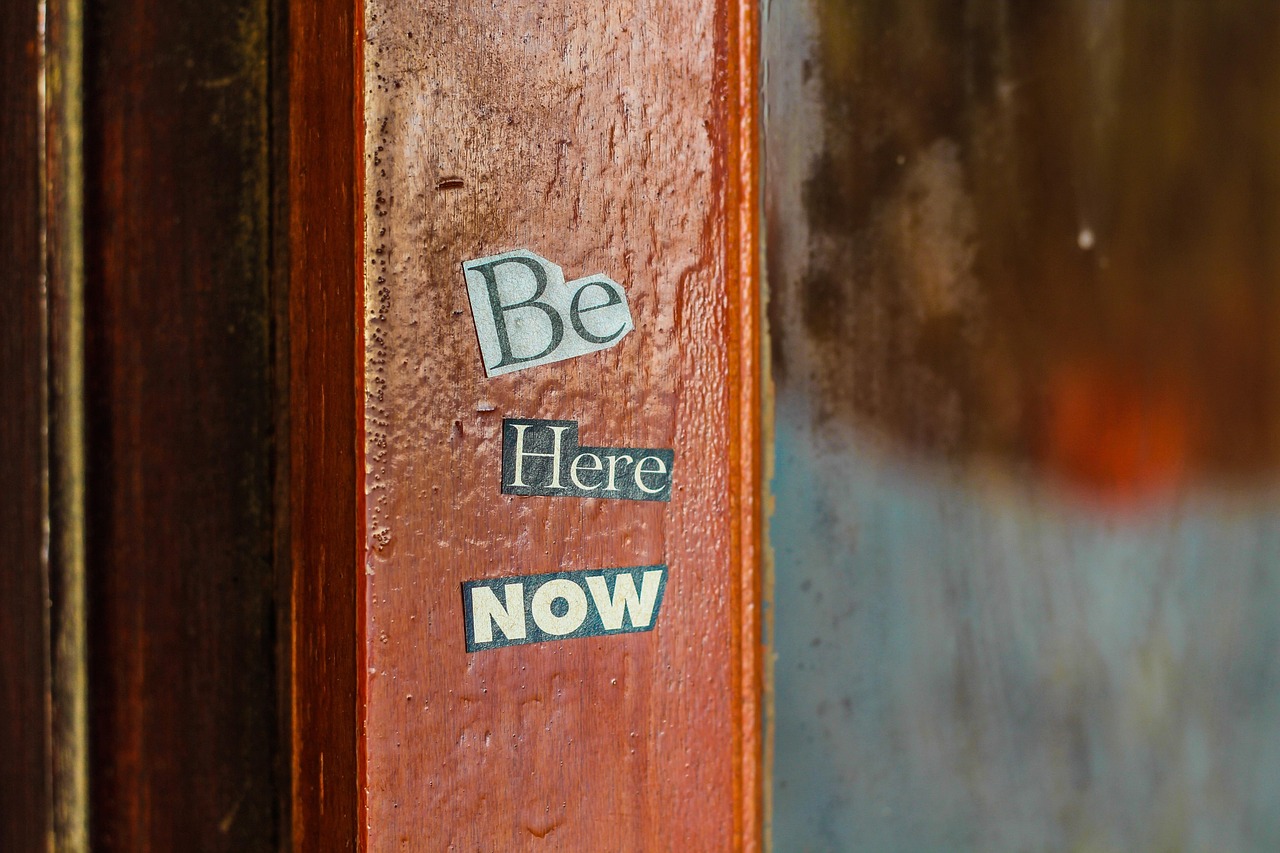
Conscious presence
returning to the here and now
It is here and now, as I write these lines. It is the moment, the moment that is passing now and here. I have the curiosity to see what I write in the next moment. And, in turn, I am amazed.
When I look inward, there are thoughts related to what I write, what I reveal. There are tensions in certain parts of my body, I feel discomfort, while other parts are relaxed. I smile and I am happy for these moments, for this opportunity. There is peace in my soul. I am fine with myself.
There's something on fire. I hear the water boiling, something humming outside. I hear the neighbor's footsteps. I see the candle flame and the objects in the room surrounding me. The moment seems eternal. I want to stay here longer. To not forget about myself anymore. To live through all my pores.
Something moves me so deeply that I almost shed tears. For this moment is priceless. I go in and out of it. This much I know, that there is great joy when you are there. You with the universe. You with the Divine Mother, with Stella Maris. And you with the Heavenly Father. There is no separation anymore. There is only connection, emotion, and something beyond feeling and understanding.
What does conscious presence mean?
This is not the time for God to leave you in the lurch.
There is not a moment when the being is not with you.
There is no moment when Mama will ever forget you.
There is no moment when a person does not have aspirations.
We are created, as they say, in the image and likeness of God. We are part of Him. And then we can feel the eternal moment, the earth, the sun, the sand and the grass.
Having a conscious presence in the world means three things:
- To think correctly
- To feel right
- To act correctly
You are what you are as a result of your actions, feelings, and thoughts. There are two mistakes people make: putting off things that would do them good and shutting down things that do them harm.
By virtue of inertia, we spin. It takes effort, will, and motivation to choose correctly and, implicitly, to break this scenario. A strength with which some people may not have been invested.
A force that is accessed through prayer, not just through actions.
At the somatic level there are a series of sensations that the body has when it experiences conscious presence.
Presence as inner maturity
After struggles in which we no longer let the ego manifest itself so much, conscious presence sets in. Inner peace becomes a part of us. Accepting the other, limiting the other – what the other is and what they do – is no longer so oppressive.
Something inside settles. With this settling into life, the feeling, the sensation in the body becomes part of us. Conscious presence is born.
With life experience, with struggles against one's own ego, with struggles against others, conscious presence takes shape, feels beyond words, thinks beyond logic, acts in accordance with Divine Law.
It is more than inner maturity. It is a quality that a person cultivates day by day, so that at some point in his life, he can feel the alignment between what is inside and what is outside. Because everything is part of the same universe. Only the ego judges, separates and criticizes.
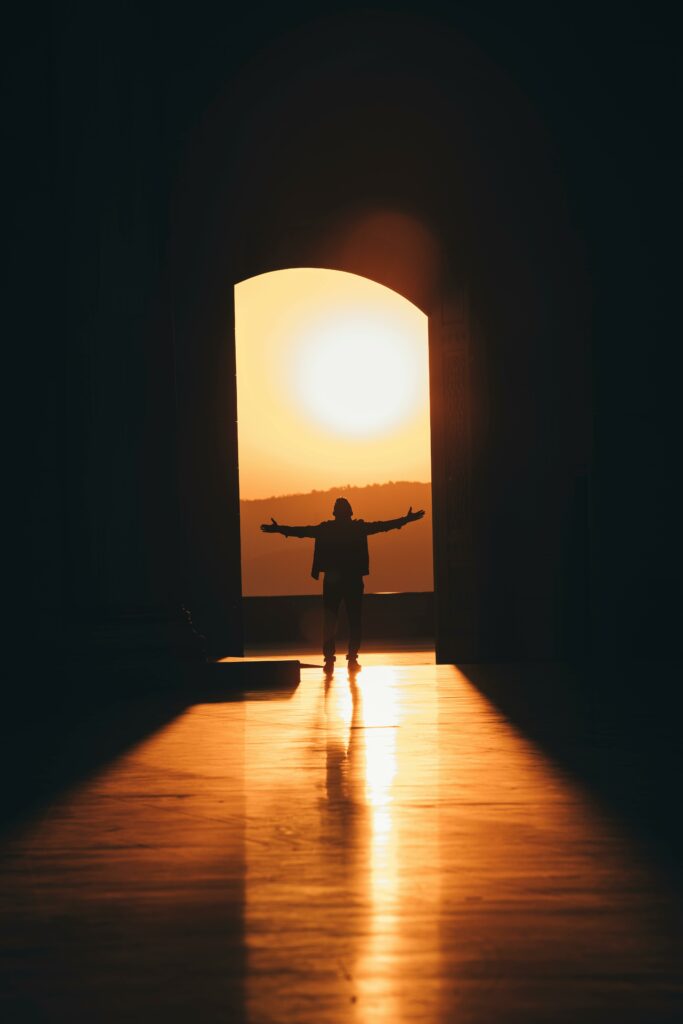
What other authors say about mindful presence
So, conscious presence means the ability to truly be here, in this moment, with what you are experiencing – in your body, in your emotions, and in your thoughts – without running away, without getting lost in the past or the future.
Jon Kabat-Zinn, founder of the mindfulness stress reduction program, defines presence as “paying attention on purpose to the present moment, nonjudgmentally.” It’s that state where you notice but don’t automatically react.
Eckhart Tolle speaks of presence as a state of consciousness in which the mind becomes still and identity is no longer built from thoughts, but from the simple fact of being. For him, presence is the direct access to inner peace.
The Somatic Perspective
From a somatic perspective, authors like Peter Levine show that mindful presence is not just mental, but bodily. It means feeling your body from the inside – your breath, your sensations, your tensions – and staying in touch with them without overwhelming you.
Gabor Maté also emphasizes that lack of presence is often the result of adaptations to stress and trauma, and returning to the present is a process of reconnecting with the authentic self.
Mindfulness doesn't mean being "zen" or calm all the time. It means being able to sit with discomfort and anxiety without running away from them. It's a skill that can be trained, not a permanent state.
On a practical level, presence starts simply:
- with conscious breathing
- with attention drawn to the body
- with non-judgmental observation
It's the moment when you stop and meet with yourself.
Psychosomatic – Living Life #16
You are what you are through your actions, feelings, and thoughts.
Ana Maria Mavru
ARTICLE AUTHOR
Ana Maria Mavru
Ana Maria Mavru is a therapist focused on deeply understanding the connection between the nervous system, the body, and emotional processes. She works in an integrative approach, in which biology, psychology, and the spiritual dimension are not separate, but viewed as expressions of the same field of consciousness manifested through the body.
In her practice, she supports processes of regulation, clarification and inner resettlement, emphasizing somatic safety, personal responsibility and the transformation of emotional patterns through awareness. Her approach is direct, pragmatic and at the same time empathetic, inviting maturation without dramatization and assumption without guilt.
In this edition, Ana Maria brings to the Psychosomatic section a vivid and personal perspective on conscious presence — not as an abstract spiritual ideal, but as a concrete, somatic state, gained through the daily practice of returning to oneself. For her, presence is not permanent stillness, but the ability to stay with what is — and to build from that place.
psychotherapist
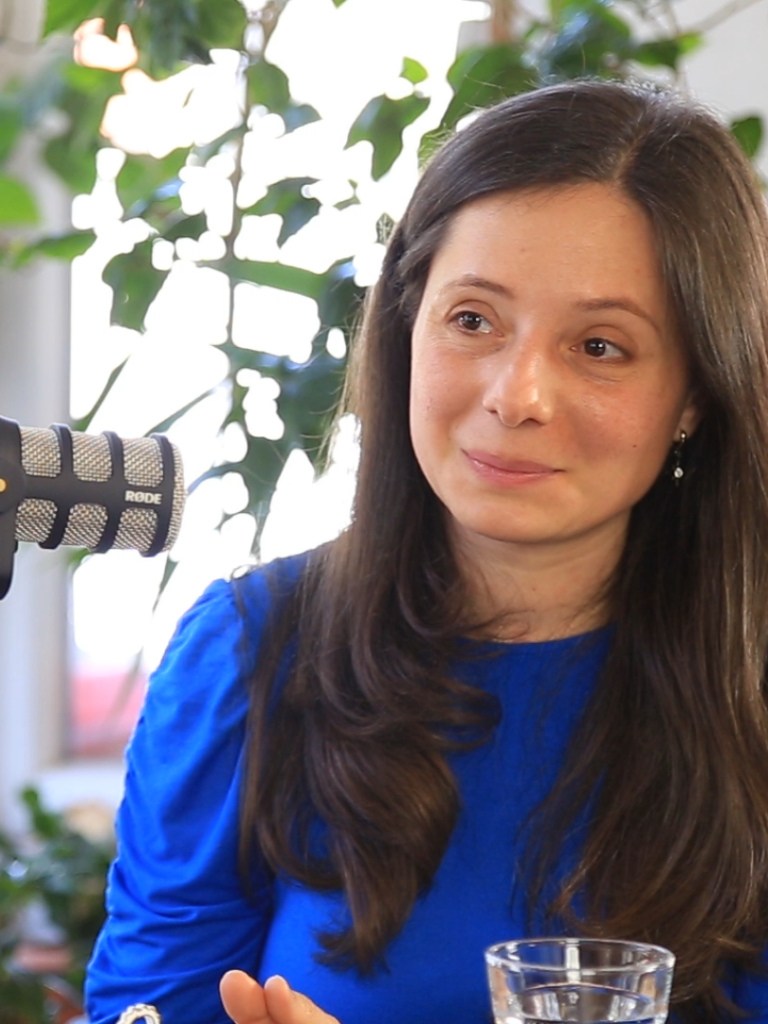

TotUna is not just a magazine. It is a co-creation space.
Submit your article!
If you feel the call to write, share, or contribute your voice, we are here.




