

The Shadows Behind Love – Holistic Healing
In this issue, therapist Alexandra Șchianu invites us to look at this paradox with lucidity and gentleness. Her article explores the hidden mechanisms by which we defend ourselves from exactly what we want most: closeness. From the roots of fear of intimacy and attachment patterns, to the invisible walls we build for ourselves, the text becomes a mirror in which each reader can find fragments of their own story.
And, perhaps most importantly, it shows us that healing does not mean perfection, but the courage to remain present in our fragility. Love does not ask us to be “ready,” but to be real. Love is, for each of us, a sacred and, at the same time, unknown territory. We call for it, we desire it, we dream of it, and when it approaches… we often take a step back. Not because we don’t want it, but because our shadows rise between us and it.
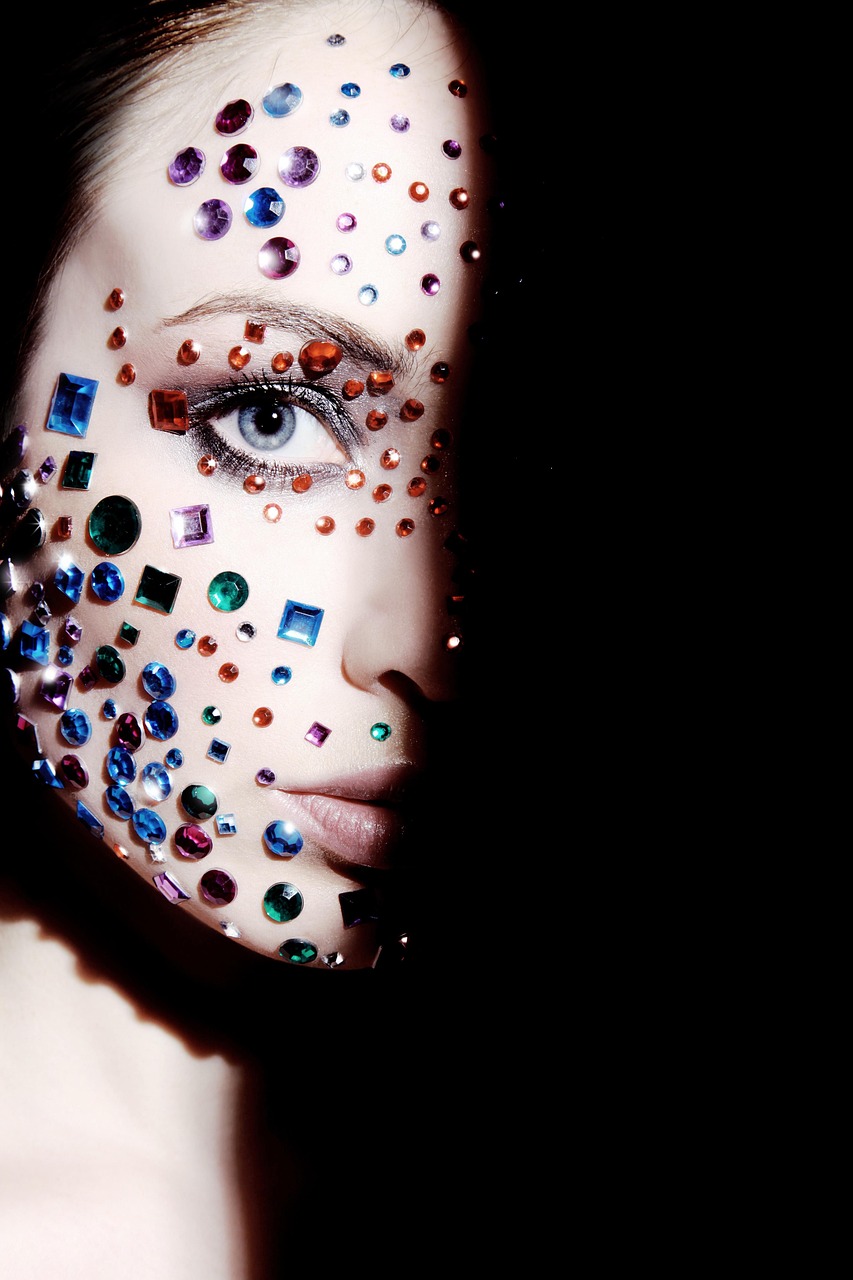
When love becomes unknown territory
Have you ever felt that when the love you are waiting for is close… instead of opening up, you close yourself off? As if you were reaching out to receive something precious, but at the last moment you pull it back. Not because you don’t want it, but because fear is stronger than desire. I have often encountered this paradox. Both in myself, and in those I work with, and in the stories of people who have shared fragments of their lives with me. We say we want love, but when it appears, our shadows make their presence felt. Love is one of the deepest human needs, and yet, in the face of it, we sometimes withdraw. Not because we don’t want it, but because it scares us. Maybe not love itself, but what we think is hidden behind it: the loss of freedom, the disappointment, the pain of rejection. This reaction is not just “in our heads”. Neuroscience shows that when the brain perceives a potential emotional danger, the same neural circuits involved in physical fear (amygdala, hippocampus) are activated. In other words, to the unconscious, exposing yourself emotionally can be as threatening as approaching a wild animal.
The roots of the fear of love
At the root of these mechanisms is a deep fear: the fear of being hurt again. When love enters our lives, it awakens not only joy but also the memory of pain. And if that pain was intense, the mind and heart do everything they can to avoid it. In reality, we are not defending ourselves from love but from the pain we once associated with it.
Research explains this fear through several lenses:
- Past Painful Experiences – If we were rejected, criticized, or felt that affection was conditional as children, our brains have learned that closeness is unsafe. In adult relationships, we repeat this pattern, even though we don’t want to.
- Attachment Styles – Attachment theory (Bowlby, Ainsworth) identifies the avoidant style as the most prone to fear of intimacy. People with this type of attachment tend to minimize the importance of emotional connections in order to protect themselves.
- Fragile self-image – When we believe we are not good enough, caring enough, or valuable enough, love seems more like a test we will fail than a gift we can receive.
- Confusion between love and addiction – If we have seen unhealthy relationships around us, we may associate closeness with loss of identity.

Emotional walls manifest themselves in subtle ways:
- We choose partners who are not emotionally available so we don't risk getting fully involved.
- We criticize or put up barriers precisely at the moments when the relationship becomes closer.
- We hide in work or “urgent” activities to avoid connection time.
- We say "it's not the right time" for a relationship, even if, deep down, we want one.
A study published in the Journal of Social and Personal Relationships shows that people with repeated experiences of rejection tend to develop a "hypervigilance" towards signals of danger in relationships, which leads to withdrawal reactions even when the danger is not real.
Steps to return to love
There is a dangerous illusion: that we must be completely healed before we can love. But the truth is that no one is ever “finished” or “perfectly healed.” Love itself can be a part of the healing process if we let it. We don’t need to appear perfect, we just need to be present, honest, and willing to see the less comfortable parts of ourselves.
When we start to notice that we are closing ourselves off, the first gesture is not to force ourselves to love, but to look at ourselves gently. Sometimes it is enough to seize that fragile moment, the moment when a compliment makes us look away or a gesture of closeness makes us change the subject. To remain there, without judgment, as if we were standing next to a scared child who just needs to be seen.
Then, without rushing, we can bring into our lives those contexts where we feel safe. A friend we can talk to without fear of being criticized. A relationship where the pace is gentle and we are not pushed to open up more than we can.
Opening is not a leap into the void, but a prolonged breath. Today you say a thought, tomorrow you let your heart enjoy a hug without calculating what it means. Slowly, the walls become windows.
And as you learn to be kind to yourself, you notice that love is no longer something you "receive" from others, but something that is born from within. It is perhaps the safest place from which to love, the place where you know that, no matter what, you will remain on your side.
A true story
Ana (name changed) told me that after a painful divorce, she vowed never to let anyone get close to her again. “I protected myself so well that I protected myself from happiness ,” she confessed. For years, she kept her heart closed. But, working in therapy and practicing openness, she discovered that love is not a danger, but a space where you can find yourself. Today, Ana says she doesn’t regret taking the risk again, even if it means sometimes feeling afraid, she knows it’s worth it.
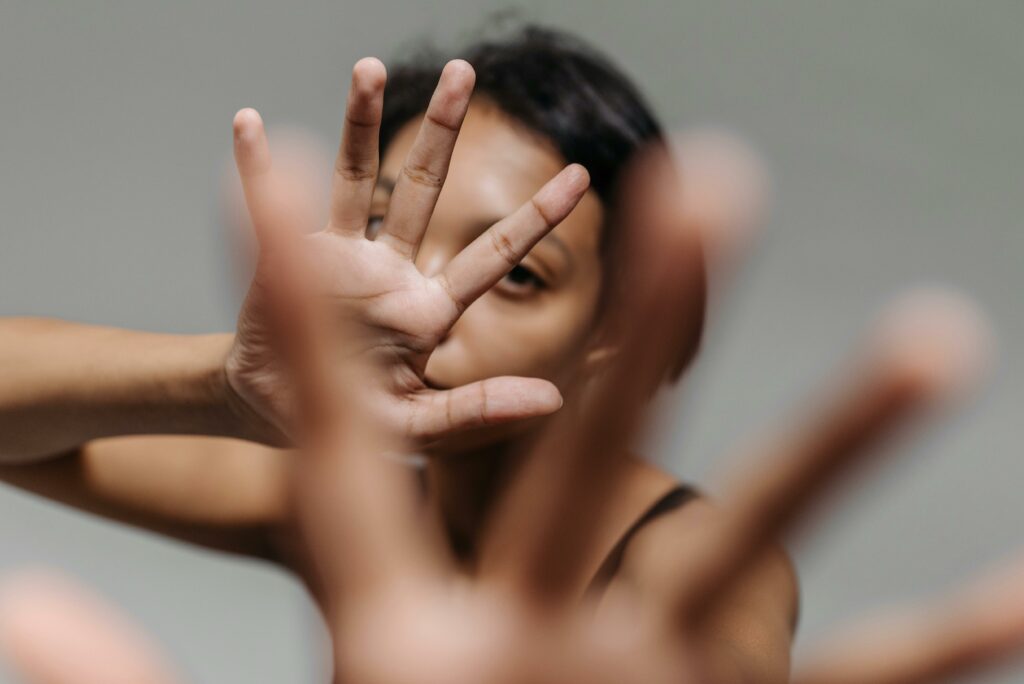
A closing thought
Maybe the path to love is not about finding the “perfect” person, but about having the courage to stand with everything that love awakens in us, the light and the shadows alike. Maybe love remains when we allow ourselves to be seen exactly as we are. And maybe… when we stop defending ourselves, we discover that not only have we been waiting for love, but it has been waiting for us.
holistic healing #09
Maybe love remains when we allow ourselves to be seen exactly as we are.
alexandra schianu
ARTICLE AUTHOR
ALEXANDRA SCHIANU
Alexandra Șchianu is one of those rare people who don't just listen to stories, but silently open the forgotten paths of the heart. A psychotherapist by training, but above all a guide by being, she doesn't repair cracks, but creates spaces where life remembers itself.
In her office, therapy is not a method, but a pilgrimage: a return to the emotions we hid under heavy stones, to the fragments of light and shadow we left forgotten. There, shame can turn into understanding, fear into closeness, guilt into forgiveness. Alexandra has the gift of sitting next to a person as you would sit next to a scared child: without haste, without judgment, only with a gentleness that knows how to embrace.
Those who have walked the path opened by her speak of the anchor, of safety, of that breath in which you discover that you are not alone.
Thus, Alexandra Șchianu doesn't just talk to us about healing. She makes it visible.
psychologist, regression therapist

TotUna is not just a magazine. It is a co-creation space.
Submit your article!
If you feel the call to write, share, or contribute your voice, we are here.




